As 2026 begins, B2B marketing teams face a familiar challenge: translating annual growth targets into action. Whether your objectives focus on core markets, new applications, or specific customer segments, success requires more than ambitious goals or budgets, it demands clarity about precisely where and how to win that growth. The following questions, supported by Market Edge Tools, will pressure-test your growth strategy, develop robust growth logic, and identify the specific actions to achieve your annual objectives.

Build the Strategic Marketing Logic for Growth in 2026
Question 1: Where Will Growth Come From?
Growth doesn’t happen uniformly within a market sector. It concentrates in specific applications, technologies, geographies, and customer segments. Precision matters.
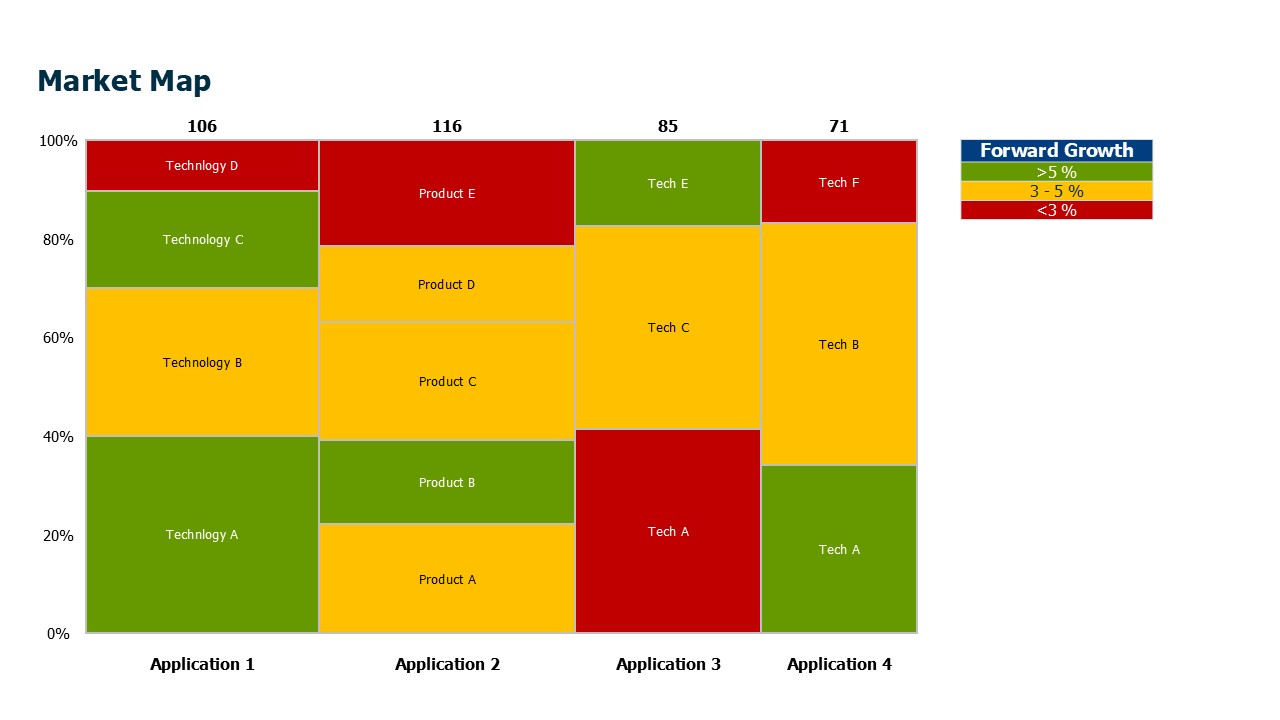
Start by refreshing Market Maps for strategic market sectors. Update your analysis to reflect:
- Size and anticipated growth rates of underlying application segments
- Competitive share of each application by competing technologies or competitive products/brands
- Forecast growth rate for each cell of the Market Map
This analysis reveals whether your growth assumptions align with actual market dynamics. If you’re targeting segments with declining usage or facing disruptive alternatives, your growth plan needs fundamental revision, not incremental adjustments.
Question 2: What is the Path to Growth?
Growth comes from three primary sources, each requiring different approaches.
Growing with the Market
If your strategy relies on riding market expansion, PEST analysis and an externally oriented opportunities/threats framework is essential. Identify and track the market drivers, especially leading indicators, and develop appropriate risk management strategies. Market growth alone rarely delivers target performance without active strategy.
Taking Share from Competitors
This path demands current intelligence. Customer perceptions shift continuously, and last year’s competitive analysis quickly becomes obsolete.
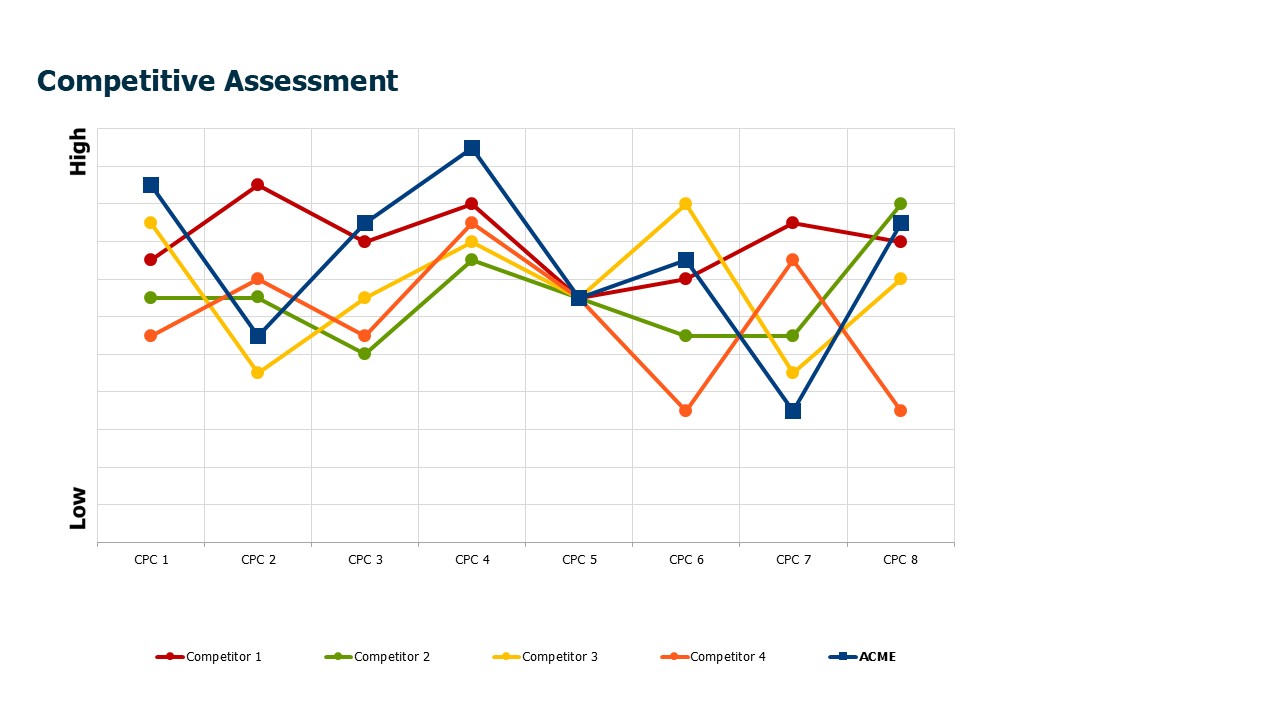
Conduct updated market research and competitive analysis to answer:
- Which competitors will lose share-and why?
- What segment specific value proposition will drive share transfer?
- Which purchase criteria represent your strengths versus the target competitor?
Use this analysis to revise segment-specific value propositions and update sales and marketing communications. Generic ‘we’re better’ messaging does drive share shifts. Customers need clear reasons to switch, framed in terms of their specific priorities.
Expanding the Market with Non-Users
Growing the market requires understanding why potential customers aren’t currently using anyone’s solution. What barriers prevent adoption?
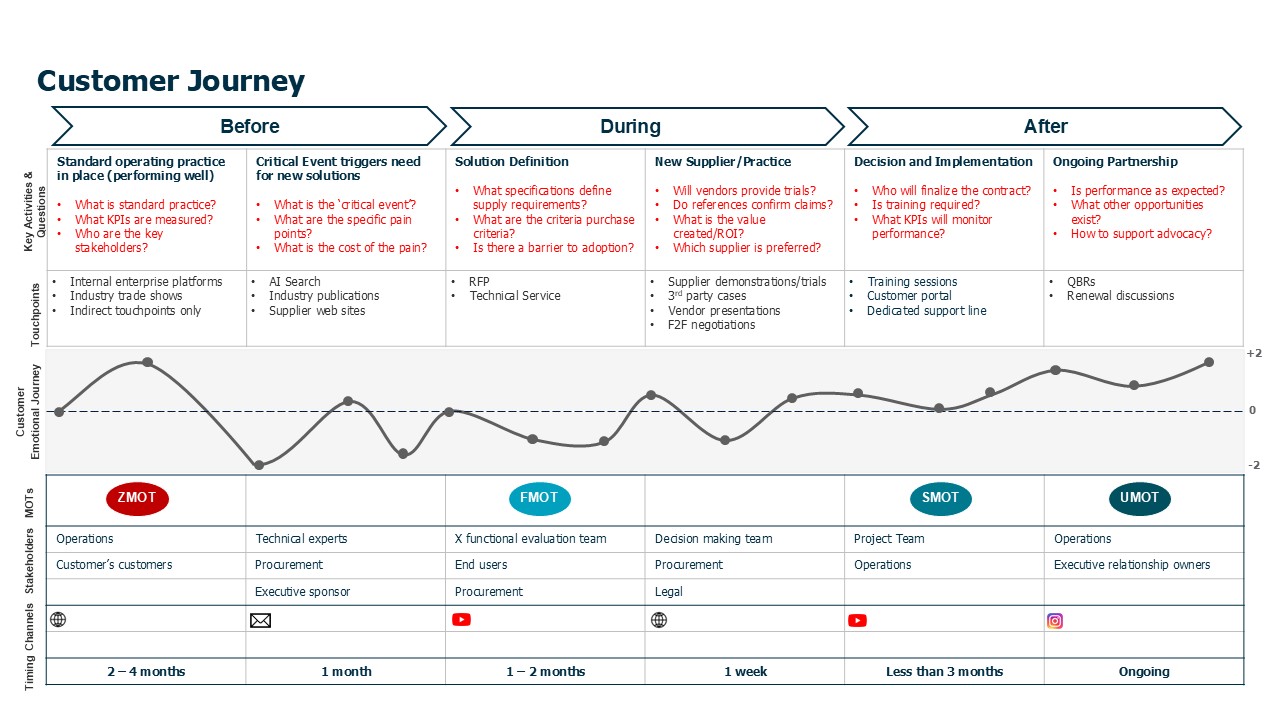
Develop Customer Journey Maps that illustrate non-users’ current activity cycles. Highlight pain points, workarounds, and limitations. Then create offers that combine your product with services specifically designed to overcome identified barriers.
Critical step: Concept test your offer with the non-user segment. Your solution must be both believable and compelling enough to catalyze trial usage. Internal assumptions about adoption barriers rarely match market reality.
Question 3: How Will Competitors Respond to Your Success?
Growth strategies often ignore competitive reaction – a dangerous oversight. As you win customers and gain share, competitors will respond. Will they lower prices? Enhance their offers? Target your existing customer base?
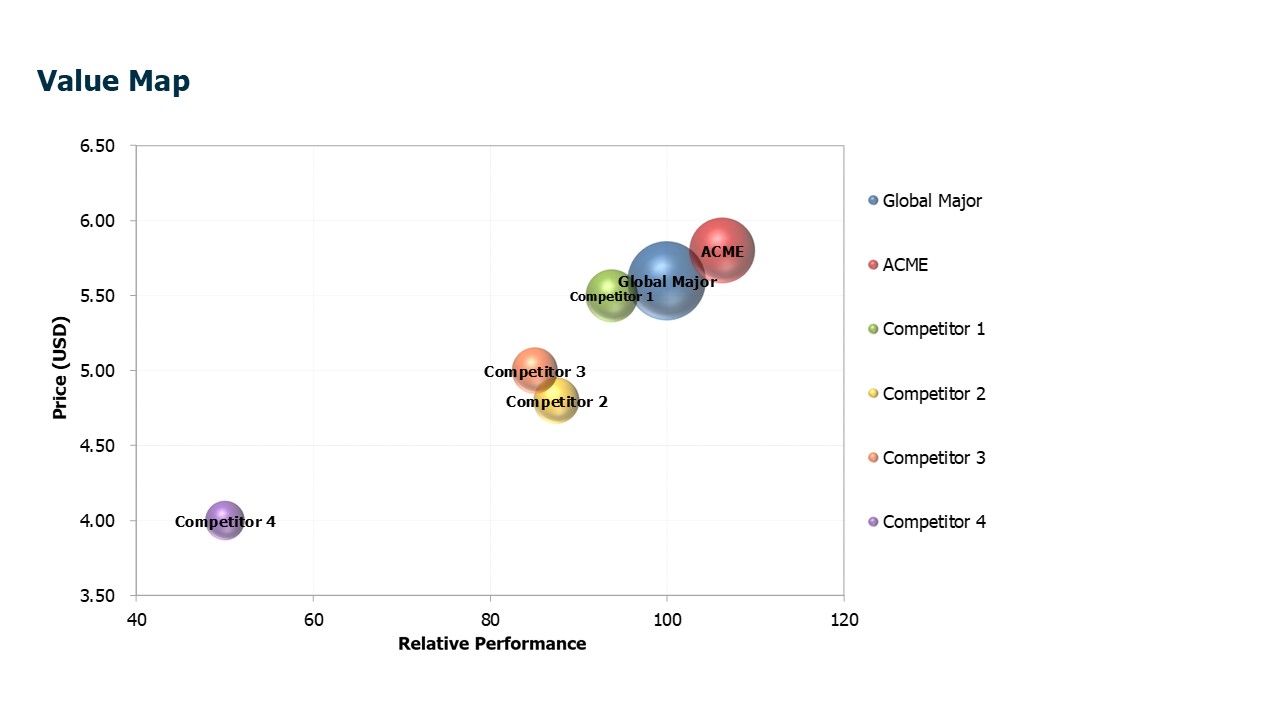
Create Value Maps that analyze current perceived performance, price. and share. Update competitive data through market research, validated with internal technical and sales teams.
When combined with detailed Competitor Profiles, Value Maps enable scenario war-gaming. Model likely competitive responses to your strategy and develop contingency plans. The goal isn’t to predict the future perfectly-it’s to avoid being surprised by predictable competitor moves.
Build Strategic Confidence
These three questions create a logic chain for growth:
- Specific targets – Where will growth occur?
- Growth path – How will you achieve it?
- Competitive dynamics – Why is your approach defensible?
This logic, with rigor-supported by Market Edge Tools, transforms aspirational targets into action. The investment in clarity now prevents mid-year corrections later.
For more information about Market Edge Tools and Frameworks, or to schedule a strategy session for your 2026 planning, contact us at info@mkt-edge.com
I am interested in Market Edge 2026 Tools and Frameworks